Choosing the Right Backpack
A practical guide to finding the right pack for the Camino de Santiago
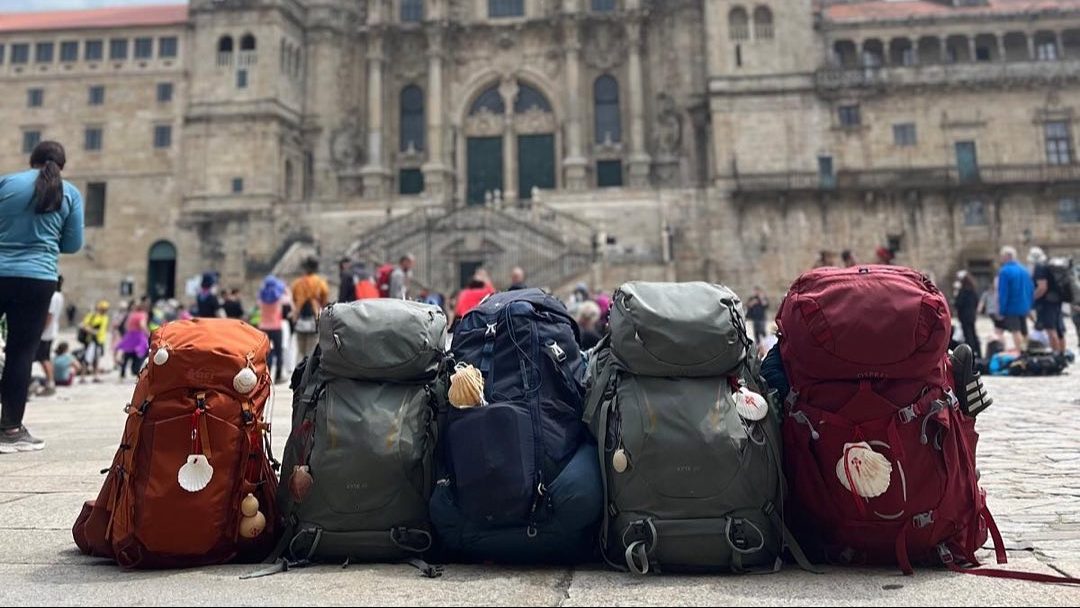
That moment when I realized my backpack was about 10 liters too big happened somewhere between Pamplona and Logroño. My shoulders were screaming, and I was literally punching my overstuffed bag to make things fit. Don’t be like 2024 me. Let me save you from my mistakes…
Table of Contents
- Quick Recommendations
- The Backpack: Your Most Important Camino Relationship
- What Features Actually Matter?
- Top 5 Camino-Tested Backpacks (2025 Edition)
- Seasonal Packing Considerations
- What Actually Fits in a 30-35L Pack
- Before You Go: The 10K Test
- Key Lessons From My Camino
- The Camino Provides
Quick Recommendations
-
Best Size: 30-35L (trust me on this one!)
-
Top Picks: Osprey Talon 33 / Tempest 33 (ultralight at <1kg), Deuter Futura 34 EL / 30 SL (great ventilation), Gregory Zulu 35 / Jade 33 (superior comfort), Osprey Stratos 34 / Sirrus 34 (excellent organisation), Lowe Alpine AirZone Trail Camino 37-42 / ND 35-40 (expandable for winter)
-
My Experience: Walked 1,000km across multiple Camino routes and surveyed dozens of fellow pilgrims about their gear choices, seeing firsthand what brings smiles vs. what brings blisters and regrets
The Backpack: Your Most Important Camino Relationship
The Camino de Santiago isn’t a wilderness trek. It’s a well-established route with regular access to towns, supplies, and accommodations. Your pack needs reflect this reality.
When I set off on the Camino Francés, I made the classic first-timer mistake: I brought a 44L backpack and filled it because, well, I had the space. By day seven, I was shipping items home and questioning my life choices.
Here’s the truth: After surveying dozens of experienced pilgrims and witnessing countless gear decisions (both good and bad), I’ve found that a 30-35L backpack is the sweet spot for most pilgrims. This size:
- Just enough space for true essentials
- Not enough space for “just in case” items you’ll never use
- Better weight distribution and comfort
- Less temptation to play pack mule
If you’re walking in winter, you might need to size up slightly (35-40L) to accommodate warmer layers and a bulkier sleeping bag, but most pilgrims in spring through fall will find 30-35L perfect.
What Features Actually Matter?
After weeks on the trail, these are the backpack features worth their weight:
Must-Haves
- Hip belt with pockets: Your snacks and lip balm need a home that isn’t buried in your pack
- Breathable back panel: Nothing ruins a day like a sweat-soaked shirt from poor ventilation
- Quick-access side pockets: For your water bottle, because hydration shouldn’t require unpacking
- Rain cover: Either built-in or added separately. You will encounter rain
- Adjustable torso length: Because your backpack should fit YOU, not the other way around
Skip These
- Multiple compartments and zippers: More places for things to break or get lost
- Built-in/detachable daypacks: These add unnecessary weight to your main pack. Bring a separate ultralight packable one instead (more on this below)
- “Tech” features: Special tablet sleeves and cord organisers are useless trail weight
Top 5 Camino-Tested Backpacks (2025 Edition)
Based on current models, pilgrim feedback, and performance on the trail, these backpacks offer the right combination of features for Camino success:
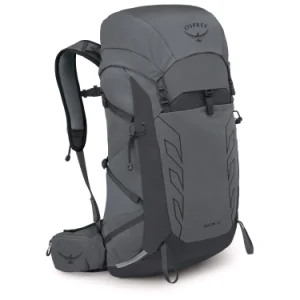
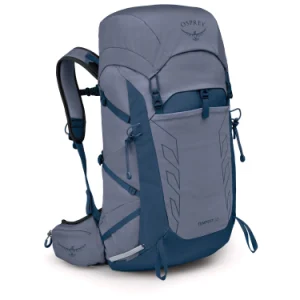
1. Osprey Talon 33 (Men) / Tempest 33 (Women)
Price range: €150-180
Why it works: The mesh shove-it pocket on the back isn’t just a design feature. It’s where I stuff my jacket when the morning chill burns off without having to stop and unpack. The AirScape ventilated back panel uses foam ridges covered with mesh to create air channels between you and the pack, a godsend when tackling those endless meseta stretches. At just under a kilogram (870g women’s/910g men’s), these are the lightest packs on our list, yet they don’t sacrifice features. The hip belt pockets are actually usable (unlike some brands) and fit a phone plus snacks, while the trekking pole attachment means you can stash your poles without removing your pack when you need your hands free.
Real-world use: The lightweight design is noticeable on long walking days. Less pack weight means less fatigue. The front stretch mesh pocket is perfect for carrying wet socks or a damp towel without getting the rest of your gear damp. The dual-zippered panel access lets you grab items from the middle of your pack without unpacking everything. The durable nylon construction handles the rough treatment of daily albergue life while staying feather-light. The women’s version features a shorter torso measurement with specially contoured shoulder straps and hip-belt for female anatomy, not just a smaller version of the men’s pack.
Shop now: Men’s Talon 33 | Women’s Tempest 33
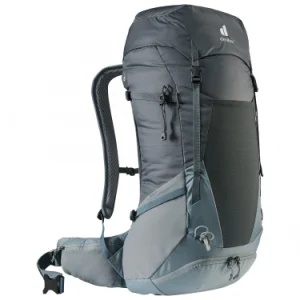
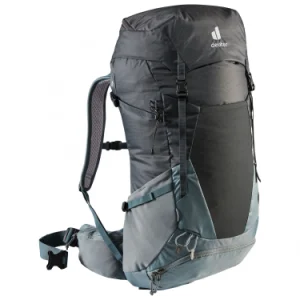
2. Deuter Futura 34 EL (Men) / 30 SL (Women)
Price range: €130-160
Why it works: German engineering at its finest. The Aircomfort Sensic back system creates an actual air channel between you and your pack by using a spring steel frame that holds the mesh away from your back, basically providing constant ventilation that you’ll appreciate when trudging up those Galician hills in the afternoon sun. The men’s EL (Extended Length) version offers a 74cm back length perfect for taller pilgrims, while the women’s SL (Slim Line) model features a shorter 66cm back with narrower shoulder straps designed specifically for female frames. The dedicated front compartment with internal organisation keeps smaller items readily accessible when you’re rummaging through your pack in a crowded albergue.
Real-world use: The pull-forward hip belt adjustment makes weight redistribution incredibly easy, even when you’re tired. Just pull the straps forward rather than backward as on most packs. At around 1.5-1.6kg, it’s not the lightest option, but that extra durability pays off when your pack gets tossed into countless albergue cubbies. The integrated rain cover stows in its own bottom compartment and deploys in seconds, a feature you’ll deeply appreciate when those unpredictable Galician clouds suddenly open up on you. The combination of robust polyester and nylon materials can take serious abuse while keeping your gear protected and organised, which matters when you’re living out of it day after day.
Shop now: Men’s Futura 34 EL | Women’s Futura 30 SL
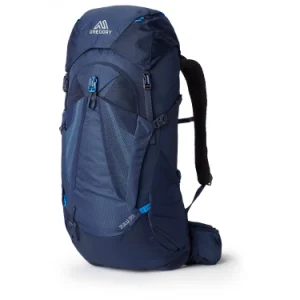
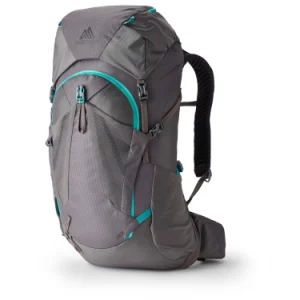
3. Gregory Zulu 35 (Men) / Jade 33 (Women)
Price range: €140-170
Why it works: What sets these packs apart is the FreeFloat dynamic suspension system that actually flexes as you walk, instead of fighting against your natural movement. Something you’ll appreciate after eight hours on the trail. At 33-35 litres, they hit the sweet spot for capacity without tempting you to overpack. The women’s Jade features a women-specific harness design with uniquely shaped shoulder straps and hip belt to fit female anatomy better. Both models include a 9cm torso adjustment range, so you can get a precision fit regardless of your body type. Particularly valuable when carrying your pack day after day.
Real-world use: The top-loading design includes a U-shaped front panel access, giving you multiple ways to reach your gear. The mesh hipbelt pockets are well-sized for quick-access items, while the hidden top lid pocket is perfect for keeping your pilgrim credential and passport secure yet accessible. The pack body uses 40% recycled polyester ripstop that’s both durable and environmentally conscious. I particularly love the front stretch mesh pocket for stashing a wet jacket or sweaty shirt without soaking everything else. The 3D comfort cradle hip belt system really hugs your body in a way that makes even a fully loaded pack feel stable on tricky descents, though the pack’s official 18kg capacity rating is well beyond what you should ever need to carry on the Camino.
Shop now: Men’s Zulu 35 | Women’s Jade 33
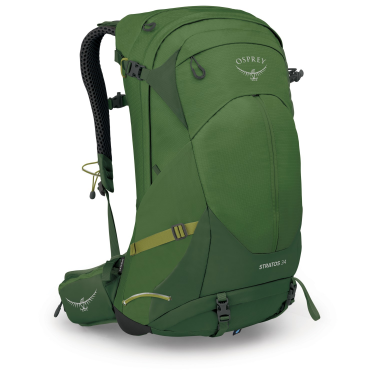
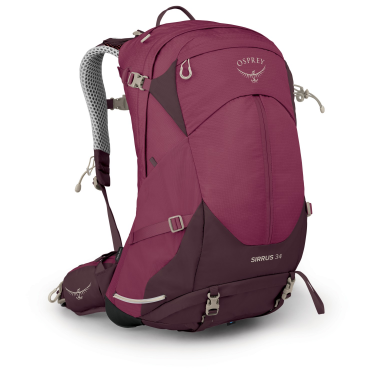
4. Osprey Stratos 34 (Men) / Sirrus 34 (Women)
Price range: €140-170
Why it works: The AirSpeed suspended mesh back system creates exceptional ventilation by using a tensioned mesh panel held away from your back by a lightweight alloy frame. Crucial when walking through Spain’s summer heat. At about 1.43kg (women’s) and 1.47kg (men’s), these packs aren’t the lightest, but they offer standout organisation. The zippered sleeping bag compartment with bellowed divider means your sleep system stays separate from potentially dirty gear, a small luxury that feels huge after a long day. The women’s model has a 60cm torso length (versus 66cm for men) and female-specific contouring in the harness and hipbelt.
Real-world use: Built with durable 210D nylon, these packs can handle the rough-and-tumble of daily Camino life. The adjustable harness means you can dial in the perfect fit, crucial when you’re wearing your pack 6-8 hours daily for weeks. The integrated trekking pole attachment system is particularly intuitive, letting you stow and retrieve poles without removing the pack. The bottom-located raincover deploys quickly when those notorious Galician showers appear out of nowhere. Though slightly larger than our minimum recommendation, the outstanding load transfer system makes it feel much lighter than the specs suggest, especially with heavier loads.
Shop now: Men’s Stratos 34 | Women’s Sirrus 34
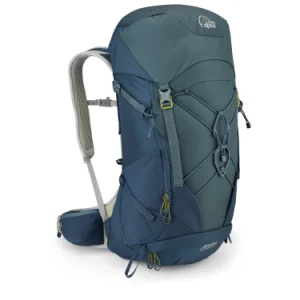
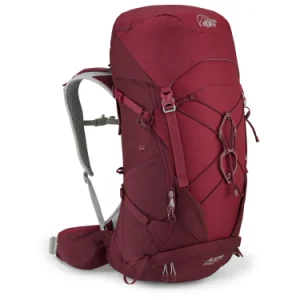
5. For Those Who Need More Space: Lowe Alpine AirZone Trail Camino 37-42 (Men) / ND 35-40 (Women) – Winter Option
Price range: €160-190
Why it works: If you’re walking in winter or need extra space for cold-weather gear, this Camino-specific pack is ideal. The expandable capacity (35-40L for women, 37-42L for men) is achieved through an extendable collar and adjustable compression straps. Pack minimally for the easier sections, then expand when you need room for extra layers, a warmer sleeping bag, or additional supplies. The AirZone tensioned mesh back system sits the pack body away from your back, creating substantial ventilation space that works even with multiple winter layers. The dual access design (top-loading plus front panel) is incredibly practical for retrieving buried items without unpacking everything.
Real-world use: Weighing around 1.4-1.5kg, these packs offer an excellent weight-to-volume ratio. The adjustable back length system allows fine-tuning in multiple positions, accommodating different body shapes or varying clothing thicknesses in winter. The ripstop nylon construction with reinforced base handles the added weight of winter gear. Forward-pull hip belt adjustment makes load balancing simple even with gloved hands. It’s robust enough for the challenging conditions of winter walking or the rugged northern routes (Primitivo or Norte), yet the effective compression system ensures it doesn’t feel unwieldy when not fully loaded. The dedicated hydration compartment with tube port keeps your water supply from freezing against your back in cold temperatures, a thoughtful touch that shows this pack was truly designed for all-season Camino use.
Shop now: Men’s AirZone Trail Camino 37-42 | Women’s AirZone Trail Camino ND 35-40
Seasonal Packing Considerations
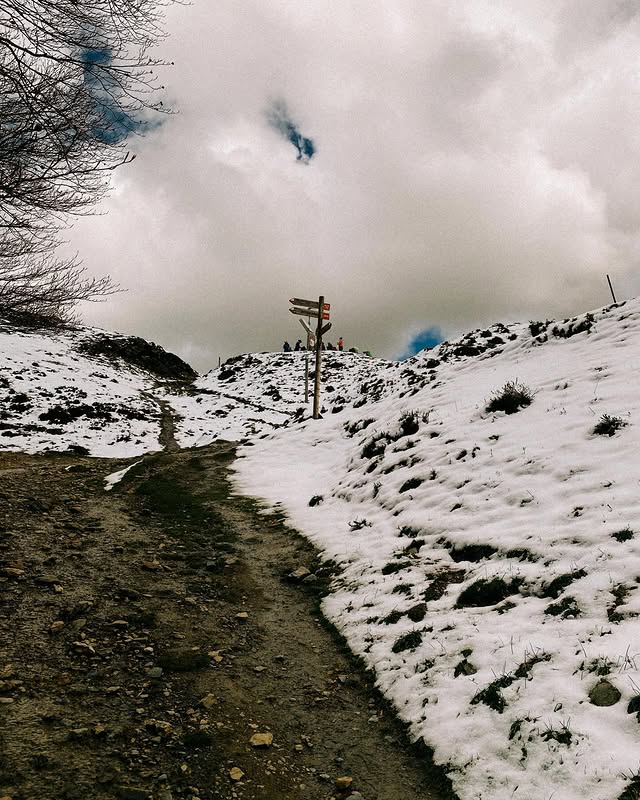
The beauty of the Camino is that it can be walked year-round, but your backpack needs shift with the seasons:
Spring (My Experience): I walked in Spring 2024, which required some warm layers for chilly mornings but nothing too heavy. A proper sleeping bag was necessary, though not the bulkiest winter-rated one.
Summer: You can often get away with just a sleeping bag liner when temperatures soar. Focus on sun protection and lightweight, quick-drying fabrics.
Fall: Similar to spring but with more unpredictable weather. Pack layers that can be added or removed easily.
Winter: The most demanding season, requiring a proper 0°C rated sleeping bag, thermal layers, waterproof gear, and possibly a slightly larger pack (35-40L) to accommodate these bulkier items.
What Actually Fits in a 30-35L Pack

Here’s what I packed for my spring Camino (and half my 44L pack still ended up empty):
Clothing
- Hiking tops: 1 Columbia UV Shade long-sleeve shirt, 1 performance t-shirt, 1 wool base layer for cold mornings
- Warm layers: 1 lightweight warm top (merino or fleece), 1 packable warm jacket for cold evenings
- Rain protection: 1 lightweight rain jacket or poncho (essential for those Galician downpours)
- Headwear: 1 lightweight cap with neck cover for sun protection
- Bottoms: 1 pair zip-off UV shade pants/shorts (much more versatile than you’d think)
- Shorts: 1 pair hiking shorts for hot days
- Underwear: 3 pairs of quick-dry underwear
- Socks: 2 pairs wool hiking socks, 1 pair lighter “evening” socks
- Off-trail outfit: 1 comfortable non-hiking outfit for towns/rest days (I used simple pants and a casual top)
- Footwear: Primary trail runners for hiking + Tropicfeel Canyon shoes for after hiking (they pack flat while remaining comfortable)
- Accessories: Sunglasses and sunscreen (the Spanish sun is no joke, especially on the meseta)
Sleep System
- Lightweight sleeping bag (or liner in summer)
- Ear plugs and eye mask (albergue essentials!)
Organisation
- 2-3 packing cubes
- Compression bag for sleeping bag
- Small electronics organiser
- Ultralight packable daypack (invaluable when I injured my knee and shipped my main pack ahead)
Essentials
- 1L water bottle
- Basic toiletries (much less than you think you’ll need)
- Minimal first aid kit (focus on blister care)
- Phone, charger, small power bank
- Trekking poles (strapped to outside of pack)
- Rain cover
Before You Go: The 10K Test

Don’t wait until you’re in Spain to discover your pack’s quirks. The “10K Test” is your best insurance against Camino pack problems:
- Pack everything you plan to bring, not one item less
- Fill your water bottle(s) completely
- Walk a full 10 kilometres, ideally incorporating some hills
- Pay attention to hot spots on shoulders, hips, and collarbones
- Note if the pack shifts or bounces when navigating uneven terrain
- Check if you can easily access water and snacks without removing the pack
This simple test is worth every minute. I learned this lesson the hard way and spent nearly two weeks on the Camino trying to work out a painful knot in my neck caused by an overly tight shoulder strap. I have some “great” photos in beautiful landscapes with my neck crooked at a weird angle as I desperately tried to massage out the knot mid-hike.
If you discover issues during your test, don’t panic. Most problems can be resolved with minor adjustments to the pack’s fit system, load distribution, or in some cases, by switching to a different model before your trip.
Key Lessons From My Camino
After 1,000+ kilometres across multiple Camino routes, here’s what I’d do differently if I could start over:
- Right-size your pack: My 44L monster was about 10L too big, which tempted me to fill that extra space with things I never used. A 30-35L pack forces better decisions.
- Upgrade your insoles: The stock insoles in most hiking shoes aren’t designed for 800km of walking. Invest in quality aftermarket insoles matched to your arch type. Your feet will thank you by Santiago.
- Choose versatile clothing: Each item should work in multiple combinations. Those zip-off pants I initially thought looked dorky? Practically a Camino uniform for good reason.
- Track your expenses: All those small costs (€2 towel rentals, €3 washing machine cycles, mid-route snacks, and celebratory pilgrim meals) add up quickly. Many pilgrims find their budget evaporating by León. A simple note on your phone tracking daily spending helps avoid the dreaded mid-Camino cash crunch.
- Test everything beforehand: Don’t discover your pack rubs your shoulders raw on day two of five weeks. Take multiple 10km test walks with a fully loaded pack before your Camino, ideally including some hills.
The Camino Provides
Remember that the Camino provides. There are stores, pharmacies, and helpful pilgrims along the entire route. That security blanket of extra “stuff” is just weighing you down, literally and figuratively.
The Camino taught me that we need far less than we think. Your perfect backpack helps you embrace that beautiful simplicity, focusing on the journey instead of what you’re carrying.
What’s your biggest Camino packing question? Drop it in the comments below, and I’ll share what worked (and didn’t work) for me!