Choosing the Right Shoes
Trail runners vs boots vs sandals — what actually works on the Camino
Choosing the Perfect Footwear for the Camino de Santiago

When Conventional Wisdom Gets It Wrong
Those trail runners sitting in my closet were an unintended stroke of Camino luck.
I’d bought them months earlier with visions of becoming a trail runner — until an injury sidelined those ambitions. They’d been gathering dust when Camino preparations began in earnest, and the mounting costs of pilgrim gear had me eyeing every possible saving.
Could I use my barely-worn trail runners instead of investing in dedicated hiking boots? The question made me hesitate.
After all, conventional wisdom is clear: trail runners are for running. Hiking boots are for hiking. The Camino is a hike. Therefore, I needed hiking boots… right?
That conventional wisdom is precisely what leads so many pilgrims astray.
Traditional hiking boots certainly have their place — if you’re traversing unmarked wilderness, scrambling over technical terrain, or hiking through significant snow. But the Camino de Santiago is primarily a network of well-established paths through villages, countryside, and towns. What you need isn’t maximum ankle support and waterproofing — you need comfort, breathability, cushioning, and minimal weight.
I’d fortunately chosen trail runners with thick, cushioned soles to support my larger frame and prevent shin splints. This unplanned preparation turned out to be perfect for the hundreds of kilometers ahead.
Over my thousand-plus kilometers across various Camino routes, I’ve witnessed the true cost of following that conventional footwear wisdom: pilgrims nursing blood blisters beneath blackened toenails; feet macerated from sweat trapped in “waterproof” boots; and the unmistakable evening grimace of those suffering from fatigue after carrying the unnecessary weight of heavy hiking boots all day.
The pattern became impossible to ignore: those in lightweight, breathable footwear generally completed their journeys comfortably while those with heavy, waterproof options often struggled with preventable foot problems.
The lesson is clear: wearing heavy boots on the Camino is like overpacking your backpack. Both stem from the same well-intentioned but misguided “just-in-case” mindset that prioritizes theoretical protection over practical comfort.
On the Camino, less is truly more, and lighter and more breathable almost always wins over heavier and more protective.
Quick Recommendations
For those who just want the highlights, here’s what I’d recommend after walking multiple Camino routes totaling over 1,000km:
-
Best Footwear Type: Trail runners (breathable, lightweight, quick-drying)
-
Top Picks: Hoka Speedgoat (maximum cushioning), Salomon Sense Ride (non-GTX version), Altra Lone Peak (wide toe box)
-
Alternative Option: Lightweight hiking shoes like Merrell MOAB Ventilator (non-waterproof)
-
Winter Option: Mid-height waterproof boots (only if walking November-March)
-
Must-Have Upgrade: Aftermarket insoles (Superfeet Green or Currex EdgePro)
-
Skip These: Heavy backpacking boots, Gore-Tex footwear in summer, dedicated “rain shoes”
Why Your Footwear Choice Makes or Breaks Your Camino
The Camino de Santiago isn’t a typical wilderness trek—it’s a long-distance walk on generally well-maintained paths. Your footwear needs reflect this reality.
Your feet will carry you 20-30km daily for weeks on end. The wrong footwear doesn’t just mean discomfort—it can end your journey entirely. I’ve observed a clear pattern among pilgrims: those with lightweight, breathable footwear generally complete their journey more comfortably, while those with heavy, waterproof options often struggle with foot problems.
This guide will help you avoid the painful lessons that many pilgrims learn the hard way.
What Features Actually Matter?
After 1,000+ kilometers across multiple Camino routes, these are the footwear features worth caring about (and those you can safely ignore):
Must-Haves
-
Breathability: Nothing creates blisters faster than sweaty feet. Your shoes need to let moisture escape, especially during hot days crossing the meseta. The “waterproof” marketing sounds appealing until you realize it works both ways—keeping water out but also trapping sweat in.
-
Lightweight design: Every 100g of added shoe weight feels like adding kilos to your pack by day’s end. Lighter footwear helps maintain your stride and reduce fatigue throughout long walking days.
-
Proper fit with room for swelling: Your feet will expand throughout the day and over the course of your Camino. Shoes that feel perfect in the morning might be painfully tight by kilometer 25. You need about a thumb’s width of space beyond your longest toe.
-
Quality insoles: The default insoles that come with most shoes are inadequate for supporting your feet over 800km. This relatively inexpensive upgrade (€30-50) can transform decent shoes into excellent ones.
-
Quick-drying materials: When your shoes get wet, you want them dry by morning. Mesh-heavy trail runners might get soaked in a downpour, but they’ll be dry after a night in the albergue. Waterproof boots often stay damp for days.
Skip These
-
Waterproof membranes: The “GTX” (Gore-Tex) designation sounds great in theory but creates more problems than it solves on the Camino. The rare occasions when waterproofing helps don’t outweigh the daily disadvantage of trapped perspiration.
-
Heavy-duty ankle support: Unless you have a specific medical need, the Camino’s generally well-maintained paths don’t require the ankle support of traditional hiking boots. That extra structure adds weight without providing meaningful benefits for most pilgrims.
-
Maximum durability: A shoe that theoretically lasts 2,000km but causes blisters is far worse than one that lasts 800km while keeping you comfortable. Prioritize comfort over longevity—your Camino likely won’t exceed the lifespan of even moderately durable footwear.
Trail Runners: The Modern Pilgrim’s Choice
Trail runners have become increasingly popular among pilgrims for good reason.
Why They Work for the Camino
-
Lightweight design: Most quality trail runners weigh 250-350g per shoe—less than half the weight of traditional boots. When you’re taking over a million steps on your Camino, that weight difference is enormous.
-
Quick-drying materials: When they get wet, most trail runners dry overnight. By contrast, waterproof boots can remain damp for days after a single rainy morning.
-
Superior breathability: The mesh-heavy design allows heat and moisture to escape effectively, keeping feet cooler and drier.
-
No break-in required: Most can be worn comfortably right out of the box, though testing them thoroughly before your trip is still essential.
-
Natural foot movement: The more flexible soles allow your feet to strengthen gradually over your journey, rather than becoming dependent on rigid support.
When They Might Not Work
-
Winter Caminos: If you’re walking November through March, you might need more insulation than most trail runners provide.
-
Extremely heavy packs: If you’re carrying over 12kg consistently (though I’d recommend lightening your pack instead).
-
Specific medical needs: Some foot or ankle conditions may require more structured support or custom orthotics.
Top 3 Camino-Tested Trail Runners
1. Hoka Speedgoat / Women’s Speedgoat
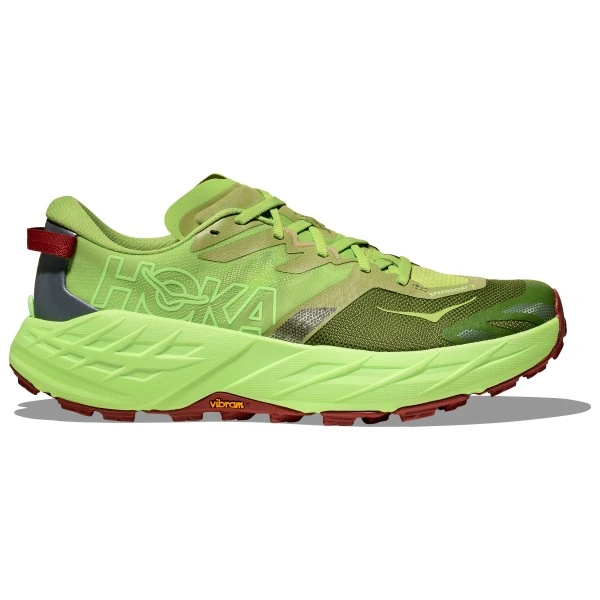
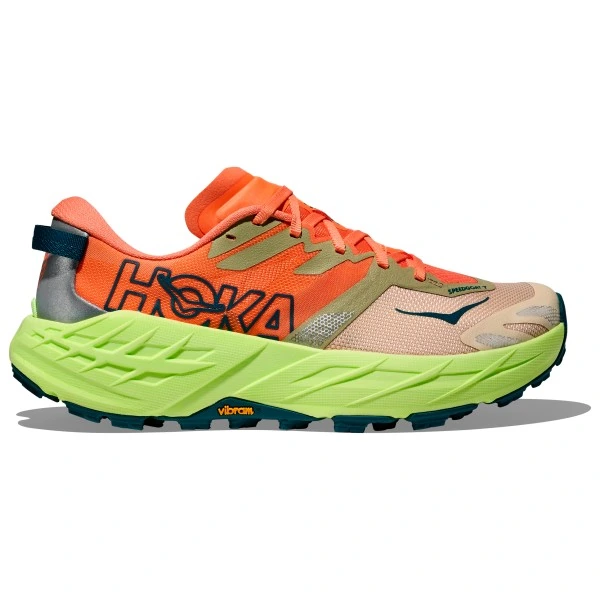
Price range: €140-160 Why it works: The exceptional cushioning absorbs impact on hard surfaces while the lightweight design (about 300g) prevents fatigue. The 4mm heel-to-toe drop provides a nice balance between natural foot position and cushioning. The wide toe box accommodates foot swelling during long days, while the breathable upper mesh allows heat to escape effectively. The meta-rocker geometry (curved sole design) helps propel you forward with each step, reducing fatigue over long distances. Key features: The extra cushioning makes a noticeable difference on paved sections, particularly after Sarria where asphalt becomes more common. The quick-drying upper is valuable during unexpected downpours—getting soaked in the rain but drying quickly thereafter.
2. Salomon Sense Ride (Non-GTX version) / Women’s Sense Ride
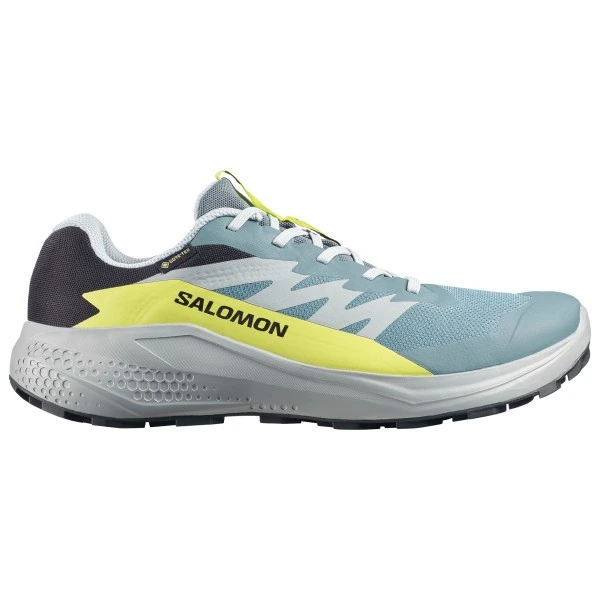
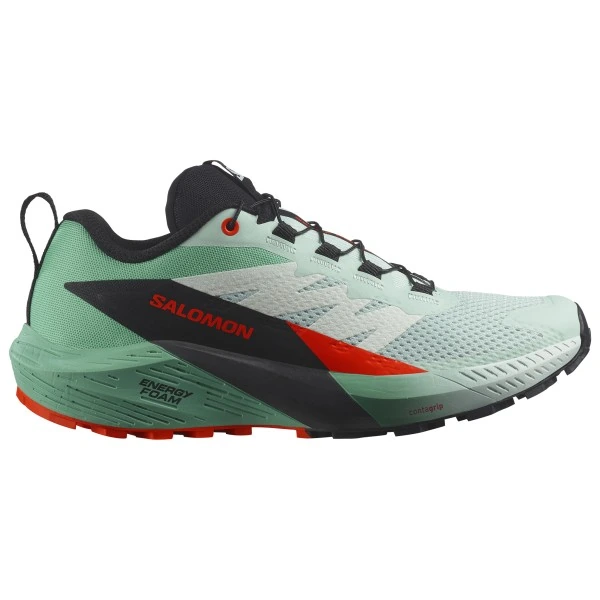
Price range: €120-140 Why it works: These strike a good balance between lightweight design (around 270g) and durability. The Quicklace system eliminates the annoyance of constantly retying shoes during your day’s walk. The moderately cushioned midsole provides enough protection without feeling disconnected from the ground, while the Contragrip outsole offers good traction on varied terrain. The slightly firmer ride (compared to Hokas) gives better ground feel and stability on uneven surfaces. Key features: Good performance on muddy sections with reliable traction on wet surfaces. The breathable mesh upper helps keep feet cool during hot days crossing the meseta. The protective toe cap offers protection from rocks without adding significant weight.
3. Altra Lone Peak / Women’s Lone Peak
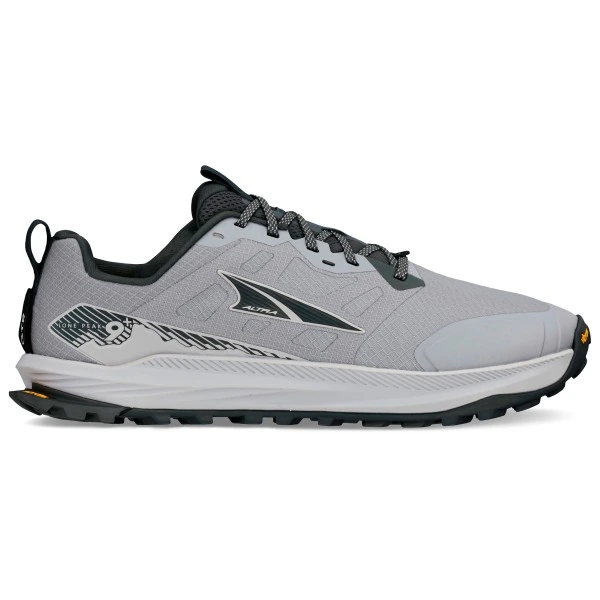
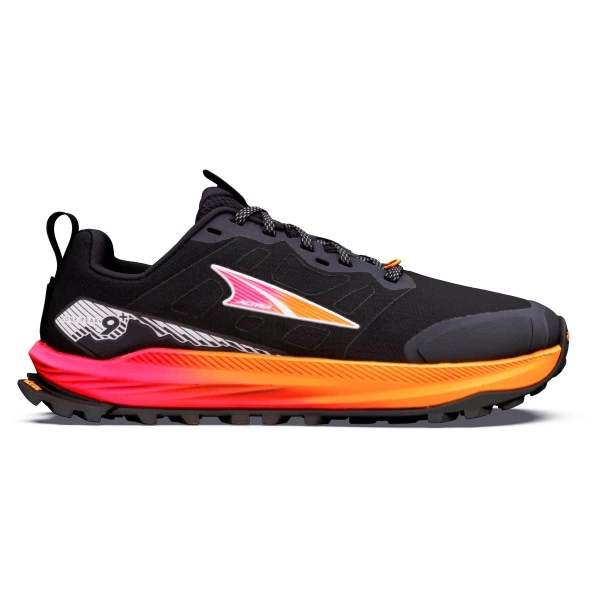
Price range: €130-150 Why it works: The defining features of these shoes are the zero-drop platform (meaning no height difference between heel and toe) and the foot-shaped toe box. This design philosophy aims to promote natural foot movement, potentially reducing stress on joints over long distances. At around 300g, they maintain the lightweight advantage crucial for Camino walking. The FootShape toe box is genuinely spacious, allowing your toes to spread naturally with each step and as your feet swell throughout the day. The moderately cushioned midsole finds the sweet spot between protection and ground feel. Key features: The extra-wide toe box helps prevent toe crowding even after long walking days, making these particularly valuable for those with wider feet or who experience toe blisters. The zero-drop design may require a slight adjustment period if you’re used to traditional shoes. The quick-draining mesh upper handles water crossings effectively.
Hiking Shoes: The Sensible Middle Ground
Hiking shoes occupy the middle ground between minimalist trail runners and traditional boots. While I personally prefer trail runners, many pilgrims find success with quality hiking shoes.
Why They Sometimes Work Better
-
Enhanced durability: Generally outlast trail runners, potentially lasting your entire Camino and beyond.
-
Additional protection: The reinforced toe caps and slightly sturdier construction protect against stubbed toes and sharp rocks—particularly valuable on the rockier northern routes.
-
More support without bulk: They provide additional stability without the weight penalty and ankle-restricting stiffness of full boots.
-
Greater versatility: Work well across a wider range of conditions and temperatures than either trail runners or boots, making them a safe choice if you’re uncertain about conditions.
Top 2 Camino-Tested Hiking Shoes
1. Merrell MOAB Ventilator (non-waterproof) / Women’s MOAB Ventilator
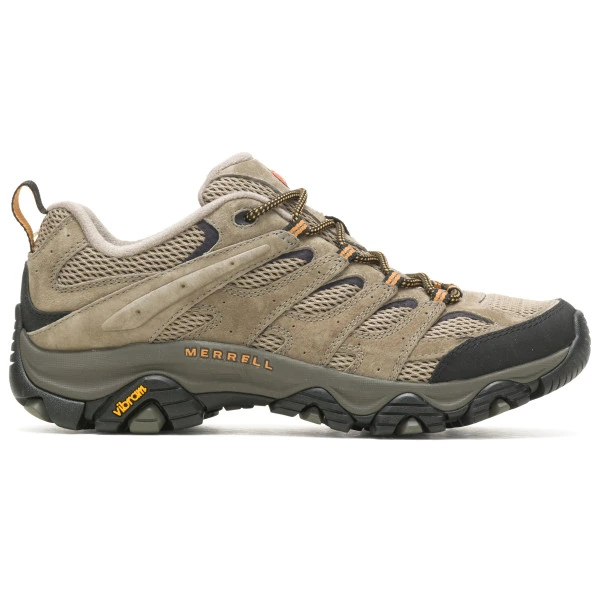
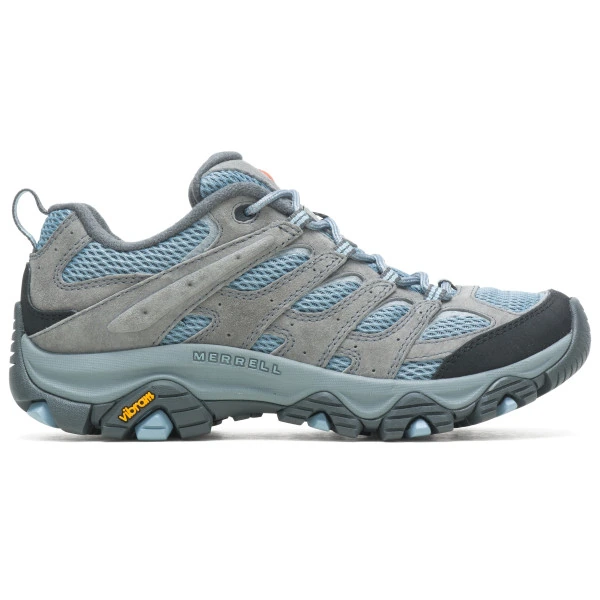
Price range: €100-120 Why it works: The Ventilator version prioritizes breathability with strategic mesh panels, while still providing good protection and grip. The wider fit naturally accommodates foot swelling, with a roomy toe box that helps prevent toe problems. At around 450g per shoe, they’re heavier than trail runners but significantly lighter than traditional boots. The Vibram outsole provides reliable traction across varied terrain, while the air-cushioned heel absorbs impact on hard surfaces. Key features: Good durability across long distances. The breathable design prevents heat buildup that occurs with waterproof versions, while the protective toe cap offers protection from rocks. The moderate arch support works for a wide range of foot types, and the removable insole makes it easy to substitute your own orthotics.
2. Keen Targhee Vent
Price range: €130-150 Why it works: The standout feature is the exceptionally wide toe box—among the roomiest in the hiking shoe category. Combined with excellent ventilation and a women-specific fit in the female model, these shoes accommodate a variety of foot shapes. The robust toe protection (Keen’s signature rubber toe cap) prevents stubbed toes on rocky descents, while the proprietary all-terrain rubber compound provides good grip on slippery surfaces. The ESS shank offers lightweight support that prevents foot fatigue without the stiffness of a traditional hiking boot. The leather and mesh upper balances durability with breathability. Key features: The additional toe protection is valuable on steep descents where your feet tend to slide forward in your shoes. The multi-directional lug pattern provides reliable footing on loose gravel and wet surfaces. At around 425g per shoe, they’re lighter than many comparable hiking shoes while maintaining protective features.
Hiking Boots: When They Make Sense
Despite my preference for lighter footwear, hiking boots do have their place in specific scenarios:
When Boots Might Be Your Best Option
-
Winter Caminos: When walking November through March, waterproofing and insulation become more valuable
-
Rainy Season Routes: The Norte route along Spain’s northern coast sees significant rainfall year-round
-
Existing Foot or Ankle Issues: Those with medical conditions requiring additional support
-
Very Rugged Variants: The Salvador or Primitivo routes have more challenging terrain
Boot Recommendation When Necessary
Salomon X Ultra 5 Mid GTX / Women’s X Ultra 5 Mid GTX
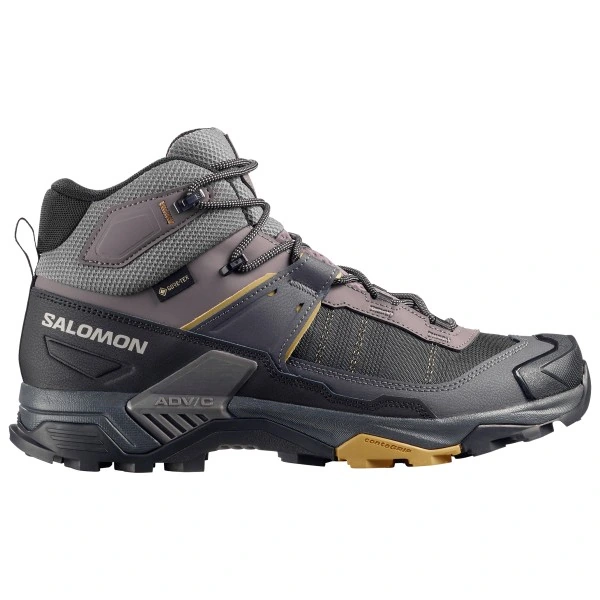
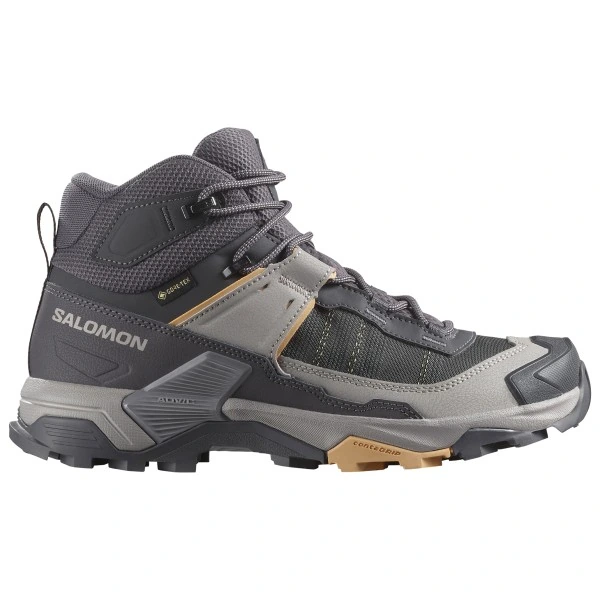
Price range: €160-180 Why it works: Relatively lightweight for a boot (about 450g), maintains flexibility while adding ankle protection, and the Gore-Tex membrane is more valuable in consistently cold/wet conditions. Key features: Suitable for winter walks when the added weather protection becomes beneficial without excessive weight. These feel more like elevated trail runners than traditional clunky boots.
The Insole Revolution: Your Most Important Upgrade
If there’s one piece of advice I emphasize to every pilgrim: replace your factory insoles before your Camino. This relatively inexpensive upgrade (€30-50) can dramatically improve comfort and prevent injuries. It’s possibly the best cost-to-benefit ratio of any gear investment you’ll make.
Why Factory Insoles Almost Always Fail
Most shoes come with basic foam insoles that aren’t designed for long-distance walking:
-
Minimal arch support: The flimsy inserts provide little to no structural support for your arches over long distances
-
Rapid compression: They flatten within a few hundred kilometers, losing what little cushioning they started with
-
One-size-fits-all design: They don’t account for different foot shapes and pressure points
-
Poor stability: They lack the structure needed to maintain proper foot alignment during 800km of walking
Top 3 Camino-Tested Insoles
1. Superfeet Green
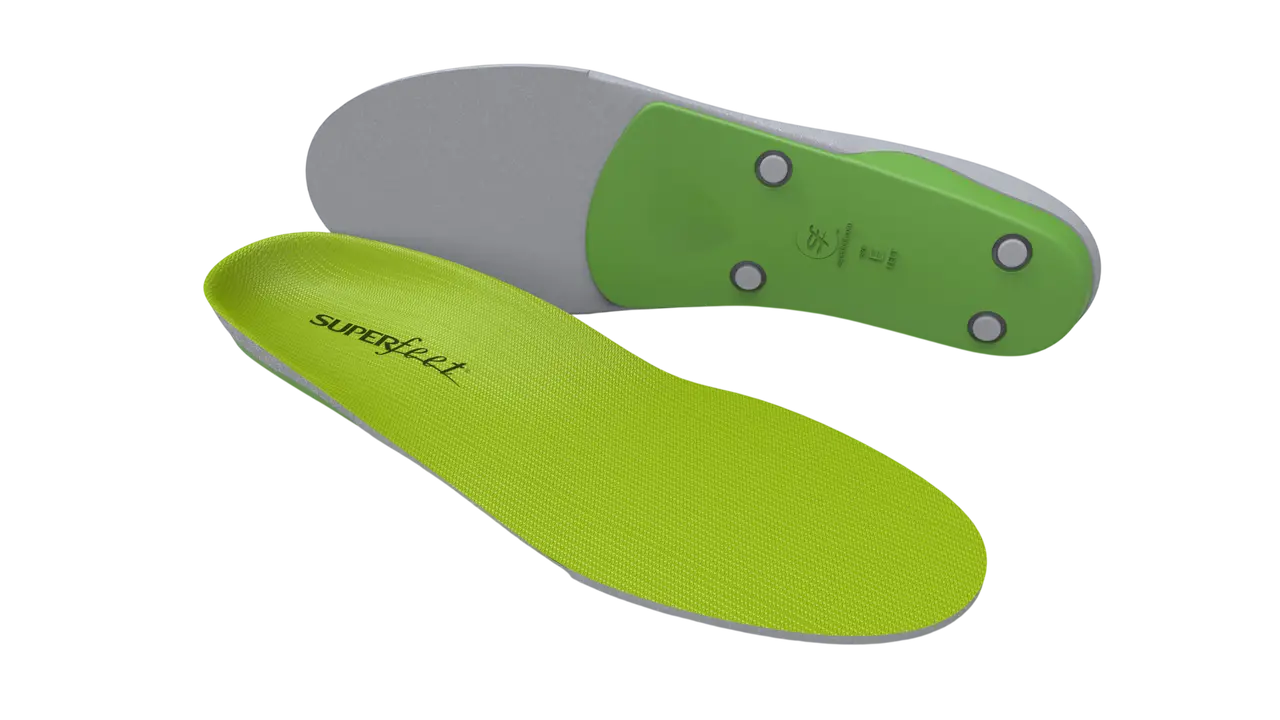
Price range: €35-45 Best for: High arches, those needing maximum support Why they work: These are the gold standard for firm support. The deep heel cup stabilizes your foot and positions it correctly in your shoe, while the high-density foam layer provides crucial structure. The high-profile arch support is among the most substantial available in an off-the-shelf insole. The stabilizer cap at the base adds crucial structure and support to the foam layer, preventing the collapse that happens with factory insoles. Though they feel surprisingly rigid initially, they’re designed to support rather than cushion, transferring energy more efficiently as you walk. Key features: The structured heel cup helps prevent plantar fasciitis symptoms. They require about 3-4 days to break in properly, but once formed to your feet, they provide consistent support throughout long-distance walking. The firm support is especially valuable during long descents into river valleys, when foot fatigue typically sets in.
2. Currex EdgePro
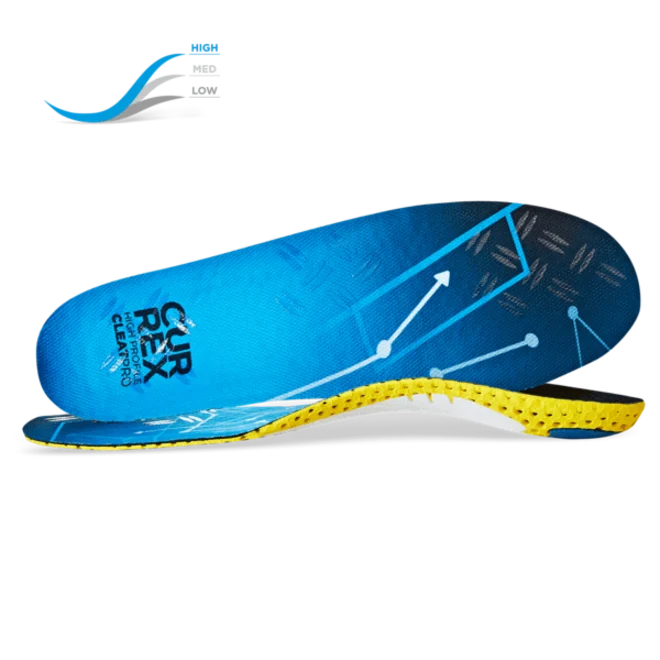
Price range: €40-50 Best for: Medium arches, those wanting balance between cushioning and support Why they work: These German-engineered insoles offer a more dynamic feel compared to the rigidity of Superfeet. The triple-layer design includes a stabilizing bottom layer, a responsive cushioning middle layer, and a moisture-wicking top layer. What sets them apart is the “dynamic arch technology” that flexes with your foot rather than providing static support. The anatomically shaped heel cup is deep enough to provide stability without feeling restrictive. Available in low, medium, and high arch profiles, they can be matched to your specific foot shape. Key features: Less rigid than Superfeet, offering sufficient support while allowing more natural foot movement. The moisture-wicking top layer helps reduce foot sweating during hot days, while the targeted gel pods under the metatarsal heads help prevent forefoot pain that often develops after weeks of walking. They require almost no break-in period, offering comfort from day one.
3. Spenco Total Support Thin
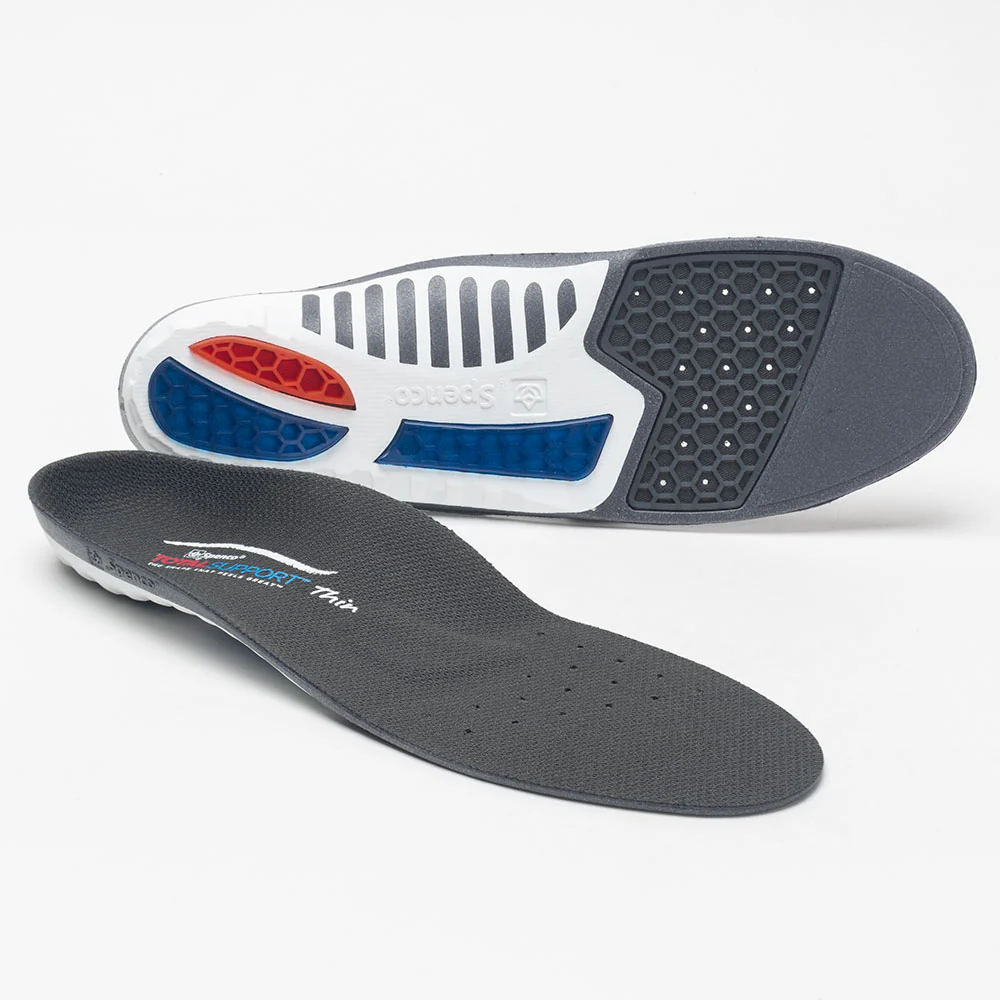
Price range: €25-35 Best for: Those with limited shoe volume or low arches Why they work: The “thin” designation is key here—at 3mm thick, these provide structural support without taking up valuable volume in your shoes. The semi-rigid arch support is substantial enough to prevent fatigue but less aggressive than other options. The 4-way stretch fabric top with Silpure Antimicrobial helps control odor (beneficial in albergue environments). The forefoot crash pad absorbs impact where your foot typically strikes first, while the heel cradle adds stability without excessive bulk. Key features: Good option for those with flatter feet, providing just enough structure without pushing uncomfortably against low arches. The thin profile works well for those whose shoes fit perfectly with factory insoles—thicker aftermarket options would make their shoes too tight. The anti-friction top layer helps reduce hot spots and potential blister points.
Route-Specific Considerations
Different Camino routes present varying terrain challenges that impact your footwear needs. Here are recommendations based on the specific characteristics of each route:
Camino Francés
Terrain profile: The most popular route features mostly well-maintained paths with some rocky sections in the first week through the Pyrenees. After that, it’s a mix of natural paths, farm tracks, and increasingly paved sections as you approach Santiago.
Footwear recommendation: Trail runners or lightweight hiking shoes work perfectly for most seasons. This route is ideal for lighter footwear, as the terrain rarely demands heavy-duty protection.
Special considerations: The percentage of paved surfaces increases dramatically after Sarria (the final 100km), making cushioning increasingly important in this section.
Camino Portugués
Terrain profile: Contains significant paved sections, particularly on the Central route from Lisbon/Porto to Santiago. The Coastal variant offers more natural paths and beach walking but still includes considerable road walking through towns.
Footwear recommendation: Well-cushioned trail runners are ideal here to mitigate the impact of hard surfaces. The Hoka Speedgoat or similar max-cushioned shoes work well on this route’s paved sections.
Special considerations: The Coastal route has many sandy sections where breathable shoes with good drainage become important – sand inside waterproof footwear is particularly problematic.
Camino del Norte
Terrain profile: The Northern route follows Spain’s rugged coastline with significantly more elevation change than the Francés. Expect beach sections, forest paths, frequent ascents/descents, and some challenging rocky portions.
Footwear recommendation: Trail runners with aggressive traction patterns work well, as do lightweight hiking shoes. The key is finding footwear with good grip for wet, slippery conditions.
Special considerations: This route sees significantly more rainfall year-round than the Francés or Portugués. Quick-drying footwear becomes essential, as you’re more likely to encounter consecutive days of wet conditions.
Camino Primitivo
Terrain profile: The most technically challenging of the major routes with steep, rocky sections and significant elevation gain/loss. This ancient route through Asturias involves serious mountain walking in places.
Footwear recommendation: More protective trail runners with good rock plates or lightweight hiking shoes are ideal. This is the one route where some pilgrims benefit from additional ankle support, particularly those with weak ankles.
Special considerations: The frequent steep descents put enormous pressure on your toes – having properly fitted shoes with adequate toe room is crucial to prevent blackened toenails and blisters.
Camino Inglés
Terrain profile: A short but steep route with significant elevation changes packed into just 120km. Contains a mix of rural paths, forest tracks, and some road walking.
Footwear recommendation: Trail runners or lightweight hiking shoes work well. The short distance means even less-than-ideal footwear can be tolerable, but the steep sections still demand good fit and traction.
Special considerations: The brevity of this route (typically walked in 5-6 days) means you can prioritize traction and stability over long-term durability concerns.
Camino Finisterre-Muxía
Terrain profile: Often walked as an extension after reaching Santiago, this route to the Atlantic coast features rolling hills, forest paths, and some road sections. Generally well-maintained with moderate difficulty.
Footwear recommendation: Whatever worked for your primary Camino will likely serve you well here. Many pilgrims walk this extension in the same footwear they used to reach Santiago.
Special considerations: By this point, many pilgrims’ feet are tired and possibly dealing with lingering issues. Prioritize comfort and familiarity over trying new footwear.
Camino Invierno
Terrain profile: This “Winter Route” was historically used to avoid snow in the O Cebreiro mountains on the Francés. It features varied terrain including vineyards, river valleys, and some challenging mountain sections with impressive elevation changes.
Footwear recommendation: Robust trail runners or lightweight hiking shoes with good traction. If actually walking in winter conditions, waterproof mid-height boots become more justifiable.
Special considerations: True to its name, if walking during winter months, you’ll need footwear appropriate for potential snow, ice, and consistent wetness. This is one scenario where Gore-Tex or waterproof options make more sense.
Seasonal Adjustments
The Camino can be walked year-round, but your footwear needs shift significantly with the seasons. Here’s how to adapt:
Summer (June-September)
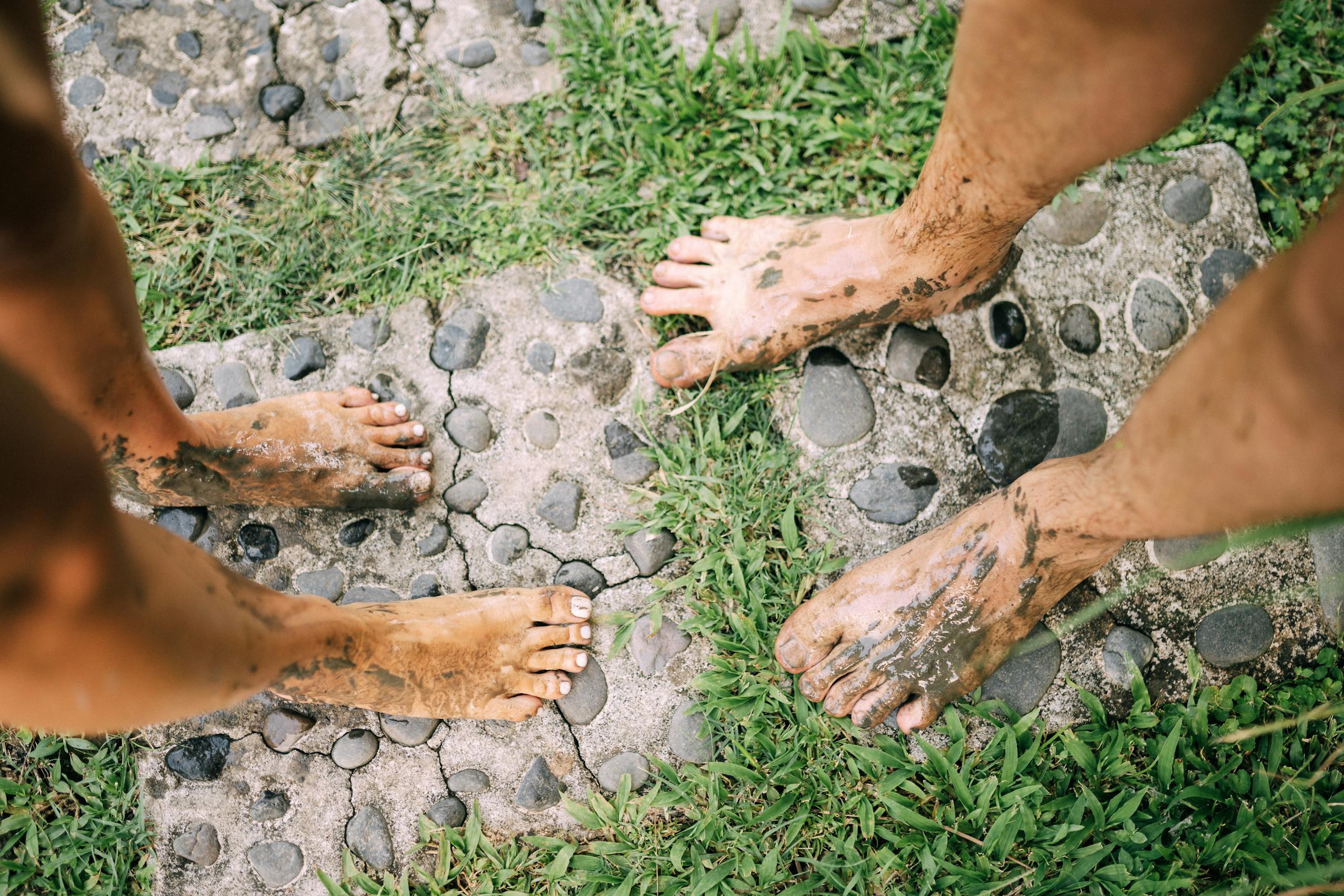
Priority: Maximum breathability to prevent heat-related foot problems
Footwear recommendation: Highly ventilated trail runners with mesh-heavy uppers. Consider sizing up a half-size from your normal fit, as feet tend to swell more in hot weather.
Avoid: Waterproof/Gore-Tex footwear at all costs during summer months. The “waterproof” membrane traps heat and sweat, creating ideal conditions for blisters. The minimal rain protection isn’t worth the daily discomfort.
Additional considerations:
-
Lighter colors reflect heat better than dark shoes
-
Bring additional insoles to alternate daily, allowing each pair to fully dry
-
Moisture-wicking socks become especially important
-
Consider pre-emptive taping of hot spots, as sweaty feet blister more easily
Spring/Fall (April-May, October-November)
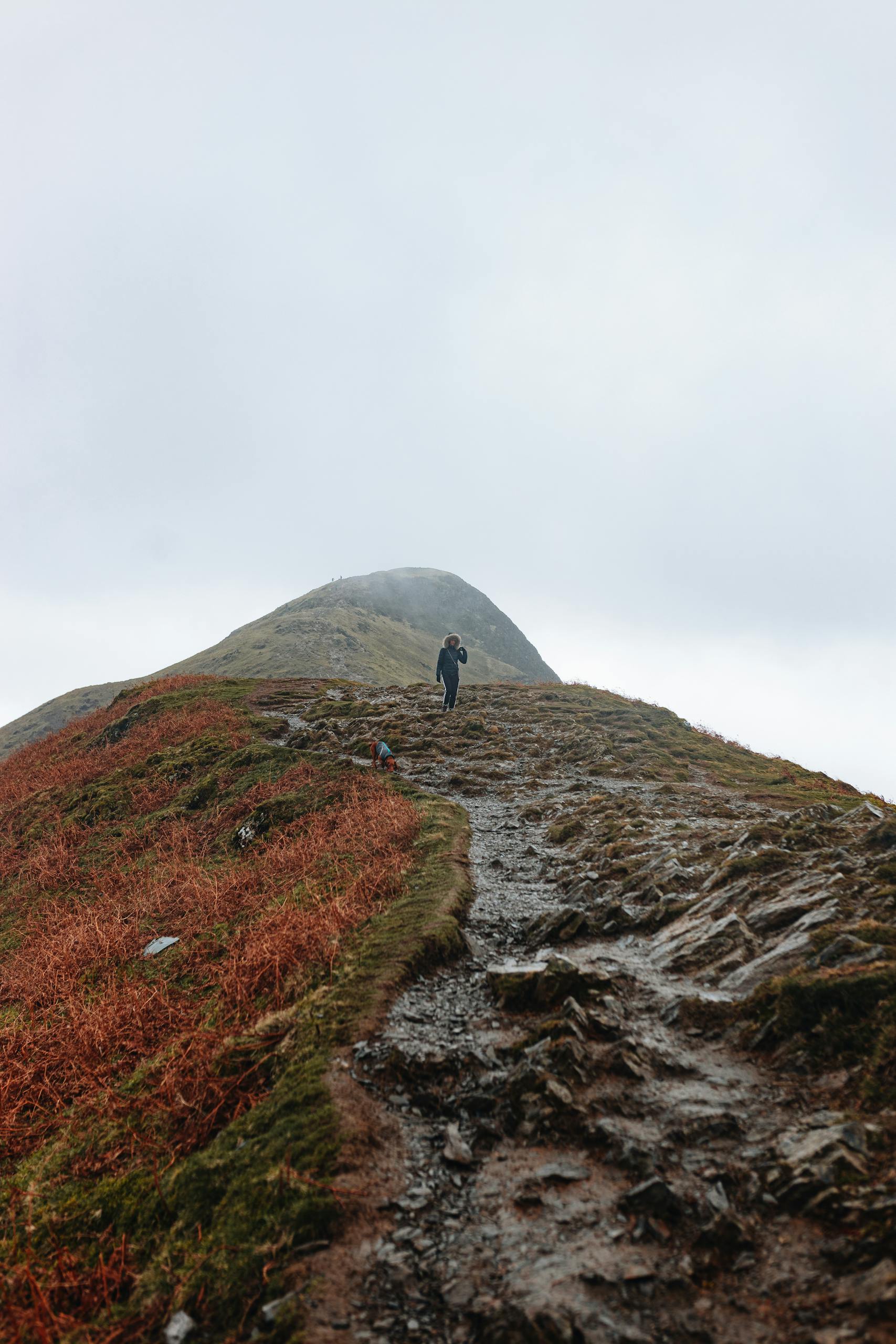
Priority: Versatility and adaptability for rapidly changing conditions
Footwear recommendation: Non-waterproof trail runners or hiking shoes paired with quality merino wool socks, which insulate even when wet. The key is quick-drying properties rather than attempting to prevent water entry.
Prepare for: Dramatic temperature swings and unpredictable weather. Spring in northern Spain can bring anything from snow flurries to 25°C sunshine within the same week.
Additional considerations:
-
Waterproof socks (like Sealskinz) can be a better option than waterproof shoes for occasional wet days
-
Gaiters can help keep debris and light rain out while maintaining shoe breathability
-
Pack an extra pair of socks in an accessible pocket for midday changes if needed
Winter (December-March)
Priority: Insulation and water resistance without compromising comfort
Footwear recommendation: This is the one season where waterproof mid-height boots become a more reasonable option, especially on the northern routes or mountainous sections. Alternatively, waterproof trail runners paired with neoprene socks or waterproof socks can work well.
Avoid: Highly ventilated footwear that allows cold air circulation unless you’re using specialized winter socks. Cold feet on long walking days can be genuinely miserable.
Additional considerations:
-
Slightly roomier shoes accommodate thicker socks without restricting circulation
-
Gaiters become more useful for keeping snow and debris out
-
Consider adding wool felt insoles for additional insulation
-
Applying snowseal or wax to leather portions of boots improves water resistance
Before You Go: Test Your Footwear
Never begin your Camino with untested footwear. This isn’t just good advice; it’s essential for preventing journey-ending foot problems.
The Testing Protocol
-
Reasonable break-in period for your chosen shoes before departure Even if you’re only walking the last 100km of the Camino, you should still properly break in your footwear. Aim for at least a few short walks and one longer walk (10-15km) in your shoes before starting your Camino.
-
Include at least one longer walk to simulate Camino conditions Shoes that feel fine for a quick 5km walk might reveal pressure points when you’re on hour five of walking. Only a longer test walk will uncover these issues.
-
Test on varied terrain similar to your route If possible, find trails, pavement, and gravel paths to test how your footwear handles different surfaces. Pay particular attention to how they perform on downhill sections, where pressure on your toes increases.
-
Use the exact socks you’ll wear on the Camino The sock/shoe combination is a system—changing one component alters the fit. Test with the precise socks you’ll be wearing on your pilgrimage.
-
Carry a similar pack weight Extra body weight affects your gait and pressure points. If you’ll be carrying 8kg on the Camino, test with 8kg on your back.
Red Flags During Testing
Pay attention to any of these warning signs:
-
Persistent pressure points that don’t improve as the shoes break in
-
Toe crowding, especially when walking downhill
-
Heel slippage that causes friction
-
Foot fatigue or arch pain that develops during longer walks
-
Areas where the shoe upper creases and rubs against your foot
These issues won’t magically improve on the Camino—they’ll worsen significantly when you’re walking day after day. Address them immediately, whether that means different shoes, different insoles, or different lacing techniques.
Key Lessons From 1,000+ Camino Kilometers
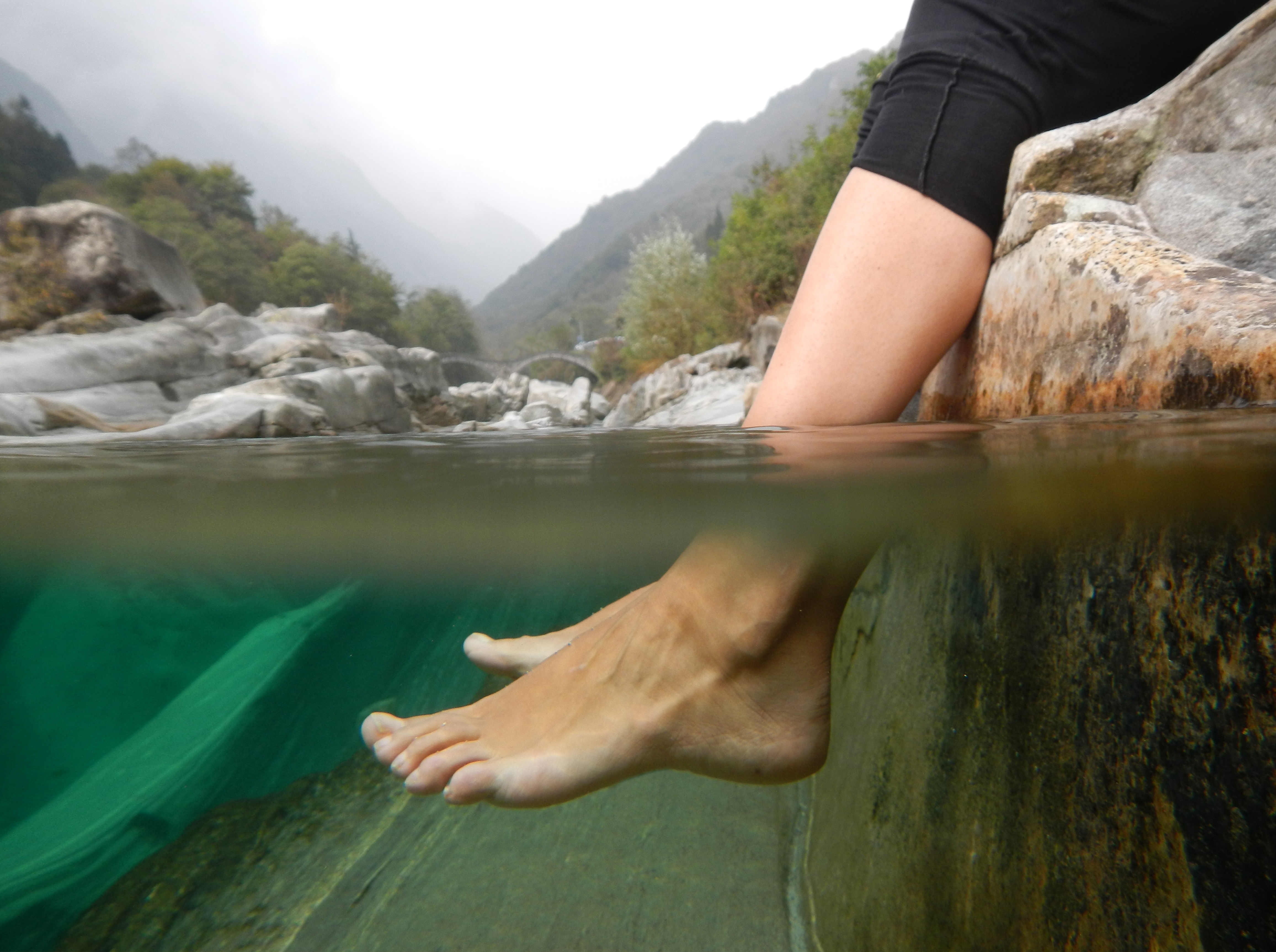
After completing multiple Camino routes, these are the footwear lessons I’d share with every pilgrim:
Lighter Almost Always Wins
The extra “protection” of heavier footwear rarely offsets the fatigue it causes. I’ve observed this pattern repeatedly: pilgrims who start in heavy boots often wish they had chosen lighter options by the end of their journey.
Breathability Trumps Waterproofing
Your feet will thank you when they can breathe, especially during the inevitable hot days. Waterproof footwear creates a moisture trap that leads to macerated skin and blisters. Quick-drying, breathable footwear gets wet faster but also dries exponentially faster.
Invest in Quality Insoles
The most cost-effective upgrade you can make to any footwear is replacing the factory insoles with quality aftermarket options matched to your foot shape. This €30-50 investment can transform mediocre shoes into excellent ones.
Test Before Your Camino
There are no shortcuts here—test your footwear before your Camino in the exact footwear setup you’ll use. Pilgrims with serious foot problems often are wearing either brand-new footwear or shoes they hadn’t adequately tested.
Trust Your Feet Above All Else
What works for others might not work for you. Listen to your body’s feedback during testing and the early days of your Camino. The perfect footwear for someone else might be completely wrong for your foot shape, walking style, and the unique way your body moves.
Final Thoughts: The Journey, Not the Gear
While I’ve written extensively about footwear here, it’s worth remembering that pilgrims completed the Camino for centuries wearing simple sandals. Your mental determination will carry you further than even the most technically perfect shoes.
Throughout my Camino experiences, I’ve observed that while good footwear prevents problems, it’s the pilgrim’s spirit that completes the journey. The proper footwear simply allows you to focus on what matters: the journey itself rather than foot pain.
Choose footwear that allows you to forget about your feet so you can focus on the true gifts of the Camino: the breathtaking landscapes, the conversations with fellow pilgrims, the personal growth that comes from daily perseverance, and the simple joy of moving forward on your own two feet.
The best shoes are the ones that carry you forward without demanding your attention.
Buen Camino!